
Microbiological pathology is an absolutely vital part of medical science. It’s all about tracking down those tiny little microbes that give us so many different types of diseases. And the sad fact is infections are still one of the most common health issues we face around the globe, and in Australia in particular, getting a proper diagnosis through lab tests has become even more crucial because of rampant antibiotic resistance and new threats popping up left right and centre.
Lab testing is the real hero when it comes to proving whether or not some microbe is present, telling us exactly what we need to do to treat someone, and stopping the disease from spreading in the first place. By themselves, those symptoms are just not reliable enough to work out exactly what’s making someone ill. That’s where microbiological pathology comes in and lends a hand; they give us a range of diagnostic tools that can pick up on all sorts of different microbes from bacteria and viruses to fungi and parasites. In Australia, these techniques are being used by naturopathic practitioners all over the place in hospitals, clinics and research labs to make sure that patients get targeted treatment that really works rather than getting thrown a blanket antibiotic that just gives more opportunity for that bug to develop resistance. Even those working outside conventional medicine, naturopaths, are starting to get the message that getting a proper lab test result is super important after all, if you don’t know what you’re dealing with, you can’t give proper advice or effective treatment.
The Role of Microscopy in Infection Diagnosis
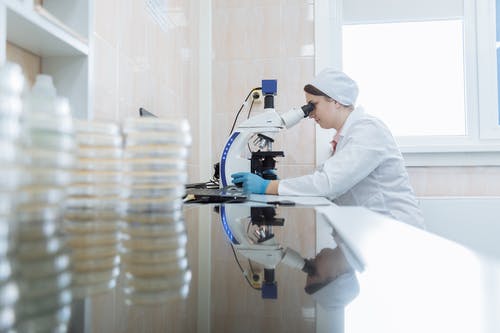
Within infection diagnosis, microscopy continues as a long-used method for microorganism identification, and this supports confidence. By looking at samples through a microscope, pathologists find bacteria, fungi, or parasites directly, which eases doubt. Staining techniques, including Gram staining, help separate bacteria types and share information on structure and antibiotic susceptibility, creating awareness. In Australia, clinical laboratories place microscopy at an early stage when diagnosing urinary tract infections, malaria, or fungal skin diseases, reflecting pressure.

Culture Techniques and Their Importance
Microbe labs still own the title of gold standard for tracking down the source of many infections. And the process itself is a pretty straightforward one: grab a sample from a patient and then let the microbe grow in a lab, with the right conditions, of course. By doing so, the pathologists get a ringside seat to watch how these microbes grow, develop and behave. Cultures aren’t just about verifying a pathogen is present. They’re also essential when it comes to testing the viability of antibiotics which guides the doctors in making the right treatment choice.
Molecular Diagnostics: The Modern World
Things have changed dramatically in the medical field over the years, thanks to molecular diagnostics. PCR, or polymerase chain reaction, really opened the floodgates by letting us detect small amounts of genetic material from pathogens. And this was a real game-changer. Test results used to take days, but with PCR, it was down to hours. These new techniques are super sensitive and specific which is why they’ve become de rigueur for detecting viruses like the flu, HIV & more recently SARS-CoV-2.
Serological Testing: The Immune Connection
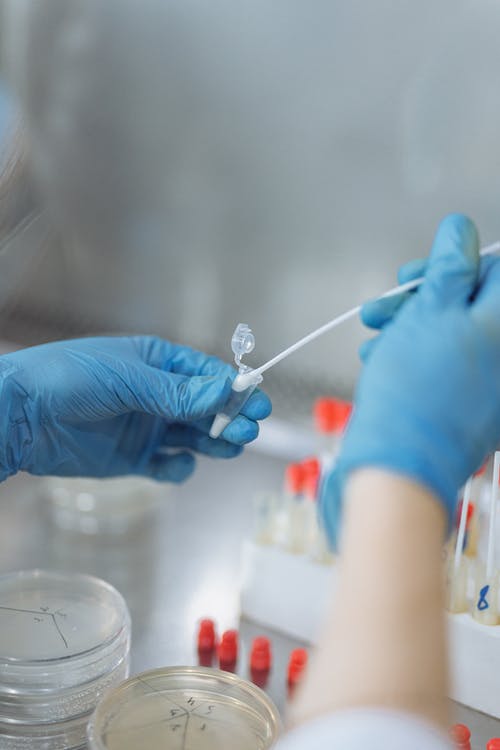
Serology works in a different way; it looks at antibodies and antigens in your blood to see whether you’ve been exposed to a particular pathogen. These tests are super handy for tracking down past infections or finding out if a vaccine has worked. Aussie doctors use them all the time to diagnose things like hepatitis, HIV & syphilis and public health teams use them to track how these diseases spread through a community. While a serology test may not be able to tell you whether an infection is still active, it does give a glimpse into how a particular pathogen reacts with the immune system. During the COVID-19 pandemic, for instance, antibody tests helped work out who had been exposed, which in turn helped inform the vaccination strategy.